Mexican Christmas Coloring Digital Stamp Review
As a designer who spends half my life staring at stitch density charts and the other half trying to convince clients that "embroidery has texture," I approach every new digital embroidery file with a healthy dose of skepticism. We’ve all seen designs that look charming on screen but turn into a muddy, unrecognizable blob once the needle starts punching thread through fabric. That is exactly why I took Mexican Christmas Coloring Digital Stamp for a spin before committing it to any client work or listing it in my own shop. The goal here isn’t just to tell you what it looks like, but to evaluate its viability as a handmade product asset.
First Impressions: Mood and Visual Personality
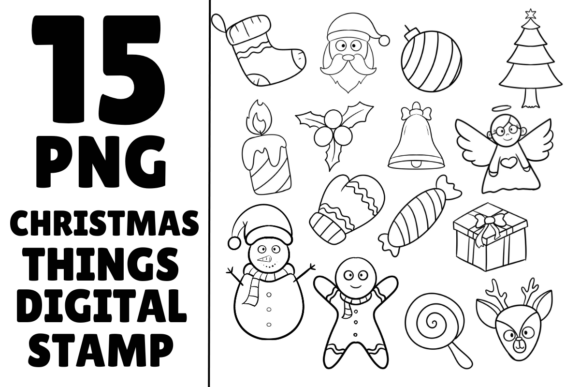
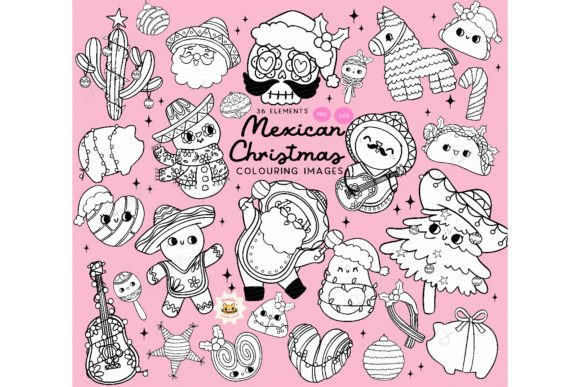
The moment you load this design into your digitizing software, the mood shifts. It doesn’t scream for attention with aggressive boldness; instead, it offers a warm, nostalgic invitation. The theme taps into the rich visual language of Mexican holidays—likely featuring elements like papel picado, poinsettias, or traditional festive motifs—but rendered in a way that feels more like a coloring book page than a dense vector graphic. This is crucial for us because it suggests a design that relies on clean lines and distinct shapes rather than complex shading.
For an illustrations category item, the visual personality is distinctly artisanal. It feels crafted by hand, which translates beautifully to the tactile nature of embroidery. When I looked at the layout, I immediately thought about how it would sit on a neutral background. The design has a balanced weight, meaning it won’t feel top-heavy or lopsided when stitched onto garments or home decor items. It creates a cozy, celebratory atmosphere that fits perfectly within the holiday embroidery niche without feeling generic.
Real-World Application: From Screen to Stitch
Let’s talk about where this design actually shines. I imagine Mexican Christmas Coloring Digital Stamp performing exceptionally well on a custom embroidered tote bag design. The clean outlines translate easily to satin stitches, providing crisp edges that define the shape against canvas or cotton twill. For an Etsy seller looking to create seasonal bundles, pairing this with simple text could yield a high-value small shop product.
I also see strong potential in the nursery and baby market. Baby embroidery requires designs that are safe, soft, and visually soothing. The coloring-stamp aesthetic of this file avoids overly sharp or aggressive details, making it ideal for onesies, burp cloths, or baby blankets. Parents love personalized gifts, and a festive yet gentle design like this can become a standout item during the holiday season. It bridges the gap between traditional cultural aesthetics and modern minimalist trends, which is a sweet spot for boutique branding.
Furthermore, consider its application on kitchen textiles. A tea towel or apron decorated with this machine embroidery design adds a touch of warmth to the home. The thematic relevance to Christmas makes it a perfect gift item, and the visual clarity ensures it remains recognizable even after several wash cycles. For craft fair products, having a design that reads well from three feet away is essential, and the distinct shapes of this file ensure legibility.
Technical Performance and Stitch Clarity
When evaluating an embroidery project, we have to look under the hood. How does the design handle different stitch types? Given its illustrative nature, I expect this file to utilize a mix of satin stitches for borders and perhaps fill stitch or running stitch for internal details, depending on the specific motif. The key advantage here is the likely lower stitch count compared to photorealistic designs. This means faster production times and less strain on the machine, which is a huge plus for commercial embroidery workflows.
The stitch density appears moderate, which is ideal for most common fabrics. It shouldn’t pucker lightweight materials if paired with the right stabilizer, nor should it lack definition on heavier denim or fleece. However, because it mimics a coloring stamp, there may be areas intended to be left empty or filled with simpler stitches. This allows for creative freedom in thread colors. You aren’t locked into one palette; you can experiment with vibrant reds and greens for a traditional look, or pastels for a softer, modern take.
Where to Exercise Caution
No design is universally perfect, and knowing where to draw the line is part of being a professional. I would advise using Mexican Christmas Coloring Digital Stamp carefully on small hoop sizes. If the design contains intricate inner details, shrinking it down too much might cause those tiny elements to merge together, losing the "coloring" effect that gives the design its charm.
Avoid placing this on highly textured fabrics like chunky knits or bouclé, as the fabric texture will interfere with the stitch formation, leading to skipped stitches or uneven coverage. Thin fabrics require a cut-away stabilizer to prevent distortion, especially if the design uses significant fill stitch areas. Additionally, while it works well on flat surfaces like tote bags or pillow covers, applying it to curved surfaces like caps or hats requires careful hooping and possibly digitizing adjustments to accommodate the curve. Dark fabrics will necessitate a backing layer or light-colored thread choices to maintain contrast, so always test on scrap fabric first.
Impact on Brand and Customer Trust
In the world of handmade goods, presentation is everything. A well-executed finished product tells the customer that you care about quality. Using a design with clear, intentional lines like this one enhances brand consistency. It signals professionalism. When customers receive a personalized gift or a piece of custom apparel that looks polished and intentional, their trust in your craft business grows. They are more likely to leave positive reviews and return for future purchases.
This design also aids in buyer engagement. Because it has a unique artistic style, it stands out in a sea of generic clipart-style embroidery files. On platforms like Etsy, unique visuals drive clicks. If you use this in your printable mockup previews, the distinct aesthetic will help your listing grab attention. It appeals to buyers looking for something specific—not just another snowflake, but a culturally rich, artistically styled piece.
Practical Designer Notes Before You Stitch
Before you rush to produce inventory, follow these practical steps to ensure success:
- Test on Scrap Fabric: Always run a test stitch-out on the actual fabric you plan to use. This reveals how the fabric texture interacts with the thread.
- Check Thread Contrast: Ensure your chosen thread colors provide enough contrast against the base material, especially if working with dark or patterned fabrics.
- Review Hoop Size: Confirm the design fits comfortably within your target hoop size without requiring awkward re-hooping unless necessary.
- Inspect Small Details: Zoom in on the digital preview. Are there tiny corners or fine lines that might not stitch cleanly? Simplify if needed.
- Black and White Mockups: View the design in grayscale to check for balance and composition independent of color distractions.
- Stabilizer Selection: Use the appropriate stabilizer (cut-away for stretch, tear-away for wovens) to prevent puckering.
- Licensing Check: Verify the license terms. Confirm whether you can sell finished physical items or if the usage is restricted to personal projects only. This is critical for any commercial embroidery venture.
Ultimately, Mexican Christmas Coloring Digital Stamp is a versatile, aesthetically pleasing addition to any designer’s library. It balances artistic flair with technical practicality, making it suitable for a wide range of applications from sweatshirt embroidery to delicate aprons. By paying attention to the nuances of execution, you can transform this digital asset into a profitable, beautiful embroidery project that resonates with customers during the festive season.