Christmas Victorian Family Clipart Review
As a designer who has spent years turning digital files into tangible, stitched treasures, I approach every new asset with a mix of excitement and skepticism. There is a specific kind of magic when a machine embroidery design translates perfectly from the screen to the fabric, but there is also a steep learning curve for designs that look great in theory but fail under the needle. Today, I am evaluating the Christmas Victorian Family Clipart, an illustration set that promises to bring old-world charm to modern crafting projects. My goal is to walk you through how this design performs in real-world scenarios, from custom apparel to boutique merchandise.
The First Impression: Mood and Visual Personality
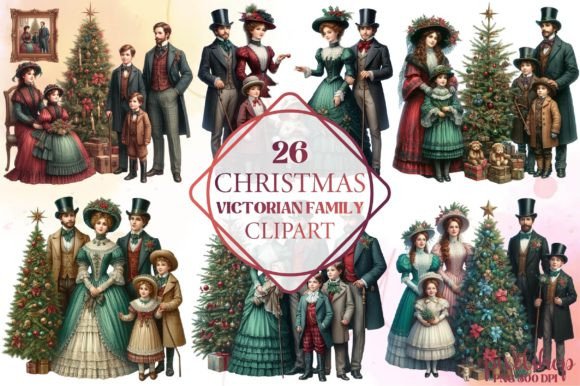
When you first open the folder containing the Christmas Victorian Family Clipart, the immediate feeling is one of nostalgia. The illustrations capture a distinct aesthetic that feels warm, intimate, and slightly whimsical. Unlike generic holiday clipart that often relies on bright reds and chaotic patterns, this collection leans into a softer, more refined vibe reminiscent of antique Christmas cards. The shapes are well-defined, and the layout suggests a thoughtful composition that respects negative space.
For an embroiderer, the visual personality is crucial. This isn't just a simple outline; it has depth. The details within the Victorian figures suggest a rich history, which translates beautifully into thread. It evokes a sense of family tradition, making it an ideal candidate for heirloom-quality pieces. Whether you are designing for a high-end boutique or a personal gift, the mood sets the stage for a product that feels curated rather than mass-produced.
Real-World Application: From Screen to Stitch
Let's imagine a practical scenario. You are preparing inventory for the upcoming holiday season as an Etsy seller. You want to create a line of personalized tote bags and aprons that stand out in a crowded marketplace. You decide to use the Christmas Victorian Family Clipart as the centerpiece for these items. The design features a group of elegantly dressed figures, perfect for conveying a message of togetherness.
In this context, the design shines. When digitized correctly, the illustration works exceptionally well on canvas tote bags or heavy cotton aprons. The clean lines allow the satin stitch to define the edges of the clothing and hats without looking cluttered. On a dark background fabric, using metallic threads for the highlights could elevate the piece, giving it a luxurious feel that customers associate with quality. For a baby item, like a christening blanket or a nursery wall hanging, the soft, storybook nature of the Victorian style adds a layer of sentimentality that modern parents appreciate.
I have also seen similar styles used successfully on sweatshirts and pillow covers. The key here is balance. Because the illustration is detailed, placing it on a large surface area allows the viewer to appreciate the nuances of the stitching. It transforms a standard holiday gift into a statement piece. If you are selling finished products, this design helps justify a higher price point because it demonstrates a level of craftsmanship and artistic intent that buyers recognize immediately.
Navigating Technical Challenges and Limitations
However, no design is without its challenges, and honest review requires acknowledging where things can go wrong. While the Christmas Victorian Family Clipart is visually appealing, its success depends heavily on execution. One must be cautious when applying this to small hoop sizes. If the original artwork contains intricate details or tiny lettering, shrinking it down for a 4x4 inch hoop can result in a muddy mess where individual stitches merge together.
Fabric texture plays a significant role here. Stretchy fabrics, such as those found in t-shirts or fitted caps, require careful stabilization. Without a proper stabilizer, the tension of the embroidery can cause the fabric to pucker, distorting the delicate Victorian lines. Similarly, on textured fabrics like fleece or bouclé, the definition of the design may get lost. The fine details might not catch the light properly, reducing the visual impact.
Dense stitch areas are another consideration. If the digitization process packs too many stitches into a small space, the fabric can become stiff and lose its drape. This is particularly problematic for garments meant to be worn frequently. Furthermore, if you plan to wash the finished product often, such as kitchen towels or children's clothing, the durability of the stitch density becomes paramount. Designs with excessive detail might fray over time if the thread count is too low or the backing is insufficient.
Strategic Placement for Maximum Impact
To ensure the Christmas Victorian Family Clipart delivers on its promise, consider where you place it on your product. Curved surfaces like baseball caps can be tricky; the distortion of the image around the crown can alter the facial expressions or postures of the figures. In these cases, simplifying the design or focusing on a single element from the collection is often wiser than attempting the full scene.
For layered garments, such as a vest over a shirt, the design needs to be robust enough to stand out against the underlying texture. Dark fabrics present their own challenge regarding contrast. If the thread colors chosen do not pop against the background, the elegance of the Victorian theme is lost. Always test your color palette before committing to a full production run. A quick check in black and white mockups can reveal if the value contrast is strong enough to maintain readability.
Designer Notes for Professional Results
Before you start stitching, there are several non-negotiable steps to take. First and foremost, always test the design on scrap fabric that matches your final project material. This allows you to see how the fill stitch and running stitch interact with the specific weave of your cloth. Check the thread color contrast carefully; sometimes a color that looks good on a monitor appears dull in person due to lighting differences.
Review the stitch density and confirm the recommended hoop size. If the file includes instructions, follow them, but remember that different machines handle tension differently. Inspect small details closely; if a feature is less than 0.1 inches wide, it may disappear during the stitching process. Comparing light and dark fabric backgrounds will help you determine if you need to add a underlay or adjust the thread weight.
Using the right stabilizer is critical for maintaining the shape of the illustration. For commercial embroidery projects or items intended for resale, you must confirm the licensing terms associated with the Christmas Victorian Family Clipart. Ensure that you have the rights to sell finished products made from this design. If you are creating a digital product, such as a printable mockup for your shop, verify that the usage rights cover digital distribution.
Final Thoughts on Value and Versatility
The Christmas Victorian Family Clipart offers a unique opportunity for designers and crafters to inject character into their work. It moves beyond the typical snowman and reindeer tropes, offering a sophisticated alternative that resonates with customers looking for something special. Whether you are creating a custom gift for a loved one or building a brand identity for a small shop, this design asset provides a solid foundation.
By understanding its strengths and respecting its limitations, you can create finished products that reflect professionalism and care. The attention to detail in the illustration translates into a perception of quality that builds customer trust. When done right, a single embroidered piece featuring this art can become a cherished keepsake, proving that the intersection of traditional aesthetics and modern technology yields beautiful results. Just remember to test, stabilize, and plan your color choices carefully to let the Victorian charm truly shine.