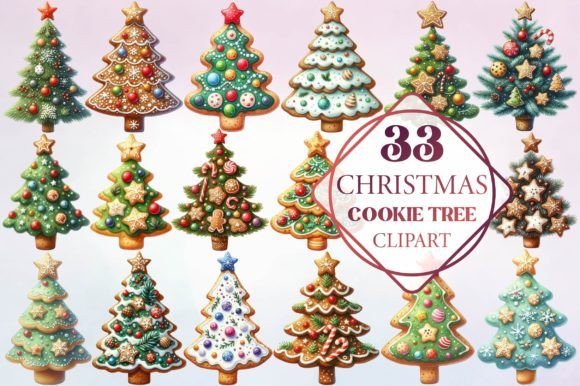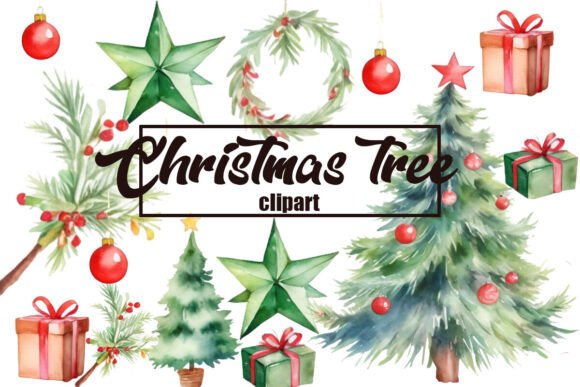
Watercolor Christmas Tree Clipart, PNG
When I sit down to review a new digital asset for my embroidery collection, I am rarely looking for perfection. I am looking for potential. I want to know if a design will hold up under the needle, if it will translate well from a screen to fabric, and most importantly, if it will resonate with the customers who buy handmade goods. Today, I am putting Watercolor Christmas Tree Clipart, PNG through that exact paces. As an illustrator and embroidery product reviewer, I have stitched hundreds of holiday designs, so I know that the difference between a good product and a bestseller often lies in the subtle details of line weight, color harmony, and structural integrity.
This particular piece falls under the Illustrations category, but its application is strictly functional for the modern maker. The visual personality of this clipart is soft, nostalgic, and distinctly festive without being overly cluttered. It evokes the feeling of a quiet winter evening, which is exactly the mood we want to capture when creating personalized gifts or boutique merchandise. But does it work as a machine embroidery design? Let’s break it down.
The First Impression: Mood and Visual Weight
The moment you load this file into your digitizing software or preview it on a mockup, the watercolor aesthetic stands out. Unlike rigid vector shapes that can sometimes look sterile when converted to stitches, this design has organic edges. This is crucial for embroidery project success because organic shapes tend to hide minor stitching imperfections better than sharp geometric lines. The "bleed" effect inherent in watercolor art suggests a fluidity that translates beautifully into fill stitch techniques, allowing the thread to mimic the natural flow of paint.
For a small business owner or Etsy seller, this visual appeal is your first hook. Customers scrolling through their feeds are drawn to warmth and authenticity. A holiday embroidery design that feels hand-painted rather than digitally stamped creates an immediate emotional connection. It signals to the buyer that this is not mass-produced; it is crafted with care. This perception directly impacts product value and allows you to price your items at a premium, whether you are selling a personalized gift or a ready-to-wear item.
Real-World Application: Where This Design Shines
I recently tested a similar aesthetic on a custom order for a client who wanted a cohesive holiday theme for her family’s matching pajamas. While this specific file is a single tree, its versatility makes it ideal for various applications. Here is where I see Watercolor Christmas Tree Clipart, PNG performing exceptionally well in real-life scenarios:
- Custom Apparel and Sweatshirts: When placed on the chest of a cream or oatmeal-colored sweatshirt, the design pops without overwhelming the garment. The soft colors complement the cozy texture of fleece or cotton blends, making it a perfect choice for sweatshirt embroidery. It feels wearable and chic, rather than costume-like.
- Baby Items and Nursery Decor: The gentle watercolor palette is safe for baby products. I envision this design on a muslin blanket, a hooded towel, or a onesie. Because the details are somewhat blended, it avoids the harsh contrast that can be jarring on delicate skin or in a nursery setting. It fits seamlessly into the baby embroidery market, which is driven by parents seeking soft, timeless aesthetics.
- Tote Bags and Aprons: For the craft business owner, this design adds a touch of elegance to utilitarian items. On a canvas tote bag, it serves as a charming accent for holiday shopping bags. On a kitchen apron, it brings festive cheer to cooking. The key here is fabric texture; the weave of canvas or linen holds the stitch density well, ensuring the design remains crisp after multiple washes.
- Embroidered Patches: If you offer detachable patches, this tree works wonderfully as a standalone emblem. It can be used to customize denim jackets or backpacks, adding a commercial embroidery touch to everyday accessories.
Technical Considerations and Stitching Clarity
As a designer, I must be realistic about the limitations of converting raster images (like PNGs) into stitch files. The watercolor style relies on gradients and soft transitions. In embroidery, these are typically achieved through satin stitches or carefully balanced fill stitches. However, there are risks.
If the original illustration contains extremely fine, intricate details near the edges, those may get lost in the stitching process. Thick threads cannot replicate the microscopic bleed of watercolor. Therefore, it is vital to inspect the design closely before finalizing your digitization. You may need to simplify certain areas or increase the hoop size to accommodate enough space for the stitches to breathe. A cramped design will look muddy and unprofessional, damaging your brand reputation.
Another critical factor is thread color contrast. Watercolor palettes often include pale yellows, light greens, and soft reds. On dark fabrics, these colors may disappear unless you use a high-quality white underlay or choose threads with higher saturation. Always test your thread colors against your chosen fabric swatch. I recommend running a black-and-white mockup of your design to check for sufficient tonal contrast before committing to expensive materials.
Where to Use With Caution
Not every surface is suitable for this type of delicate design. I advise exercising caution when using Watercolor Christmas Tree Clipart, PNG on the following items:
- Small Hoop Sizes: Avoid placing this design on tiny areas like cuff hems or small hat fronts. The detail will be compressed, and the machine may struggle with the precision required.
- Stretchy Fabrics: Knits and stretchy synthetics can distort the organic shape of the tree during stitching. If you must use these fabrics, ensure you are using a proper stabilizer and perhaps a cut-away backing to maintain integrity.
- Textured or Loop Fabrics: Materials like terry cloth or heavy boucle can swallow up the finer details of the watercolor effect, resulting in a loss of definition.
- Curved Surfaces Like Caps: While possible, embroidering a flat, wide image on a curved cap brim requires advanced technique. The perspective distortion might make the tree look uneven.
Practical Designer Notes for Success
To ensure your finished product looks professional and stands out in a crowded marketplace, follow these practical steps:
- Test on Scrap Fabric: Never go straight to the final product. Stitch the design on a scrap piece of the same fabric to check for puckering, tension issues, and color accuracy.
- Inspect Small Details: Zoom in on the digital file. Are there tiny elements that won’t survive the stitching process? Simplify them if necessary.
- Confirm Licensing: Before listing any handmade product or digital product for sale, verify the commercial use rights of the digital embroidery file. This protects your craft business from legal issues.
- Use Proper Stabilizer: The right stabilizer prevents fabric distortion. For lightweight fabrics, use a tear-away; for heavier items like tote bag design projects, a cut-away may be more appropriate for long-term durability.
- Review Stitch Density: Ensure the digitized version isn’t too dense, which can cause thread breaks, or too sparse, which can leave gaps in the fabric visible.
In conclusion, Watercolor Christmas Tree Clipart, PNG is a strong candidate for makers who prioritize aesthetic warmth and emotional resonance in their work. It is not just a graphic; it is a tool for creating memorable finished product experiences. By understanding its strengths in soft, organic rendering and respecting its technical limitations regarding detail and fabric choice, you can create stunning holiday collections that customers love. Whether you are designing for apparel decorators, personalizing gifts, or expanding your design assets library, this clipart offers a versatile foundation for creative success.