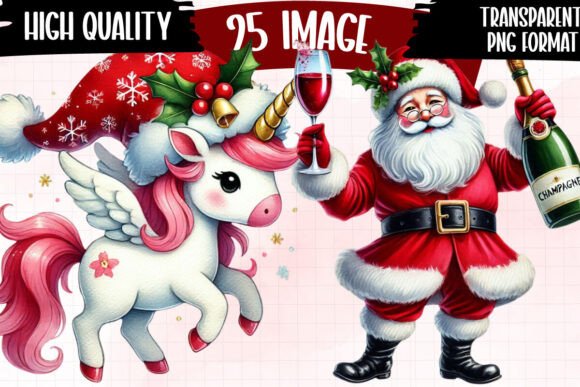
Funny Christmas Clipart: A Designer’s Review for Illustrations
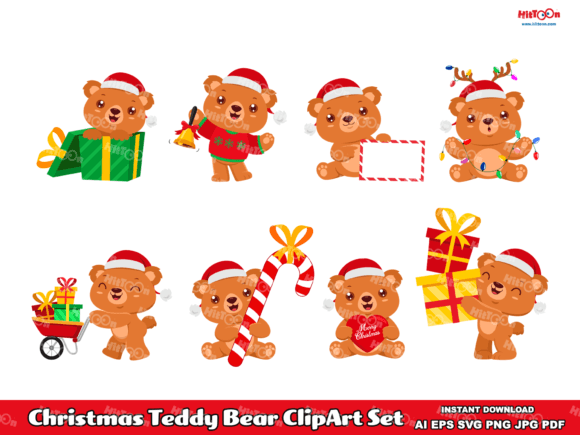
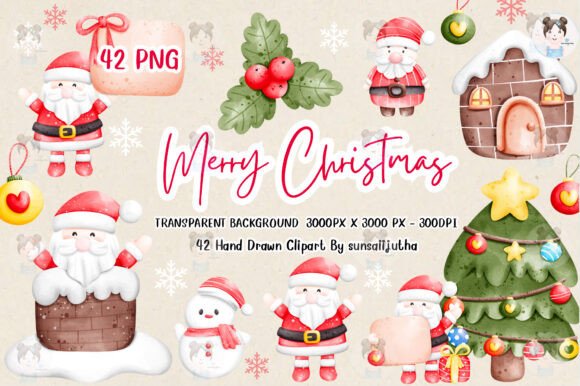
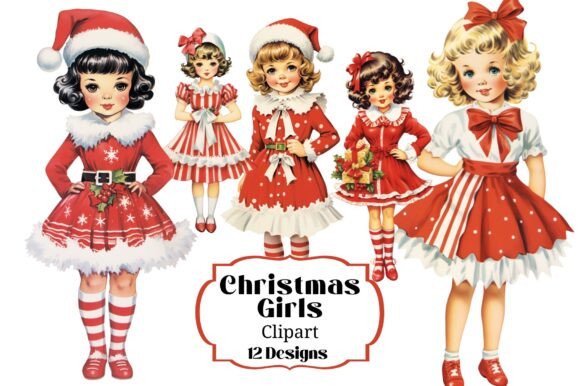
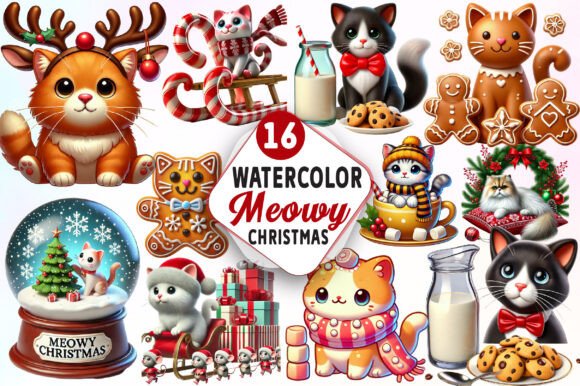
As a brand designer who spends most of my days helping local businesses define their visual voice, I don’t just look at graphics; I look at strategy. When a client asks me to source assets for a seasonal campaign, I am always skeptical. Too often, marketplaces are flooded with generic clipart that screams "cheap" rather than "curated." However, when I first pulled up Funny Christmas Clipart, I paused. This isn't just a collection of festive doodles; it is a potential graphic design asset with serious commercial viability.
In this review, I will break down how this specific set of Illustrations can elevate your small business branding, particularly if you are in the food, handmade, or retail sector. We will look at this from the perspective of a real-world project: rebranding a boutique holiday bakery and gifting shop.
The First Impression: Mood and Brand Personality
The immediate vibe of these clipart elements is approachable, playful, and distinctly human. In a market saturated with overly polished, sterile vector art, this set feels warm. It suggests a brand personality that is friendly, perhaps a bit rustic, and definitely not taking itself too seriously. For a local business owner, this translates to trust. Customers today crave authenticity, and Funny Christmas Clipart delivers a sense of whimsy that resonates well with families, young professionals, and gift-givers.
If your brand identity leans towards elegant minimalism or high-end luxury, this might not be the right fit. But if you are a handmade business selling artisanal soaps, cozy knitwear, or homemade jams, this style bridges the gap between professional presentation and personal touch. It feels like something a real person drew, which is exactly what modern consumers want to see on their pantry shelves or social media feeds.
Real-World Application: The Bakery Project
Let’s imagine a concrete scenario. You own a local bakery that specializes in holiday cookies and gingerbread houses. You need packaging that stands out on the shelf but also looks great when customers share photos online. Here is how Funny Christmas Clipart functions as a critical component of your packaging design:
- Product Labels: Instead of a plain white sticker, you use one of the humorous character illustrations as the central anchor of your label. It draws the eye immediately, creating a stronger first impression than text alone could achieve.
- Hang Tags: Attach a tag to your cookie boxes featuring a subtle pattern derived from the clipart. This adds tactile value and reinforces your brand identity before the customer even opens the box.
- Thank-You Cards: Include a small insert with a funny holiday greeting. This improves customer trust by showing attention to detail and care in the unboxing experience.
This approach transforms a simple commodity into a memorable brand experience. The visual hierarchy becomes clearer because the illustration guides the customer’s eye to your product name and price, rather than getting lost in dense text.
Expanding Beyond Packaging
The utility of these design assets extends far beyond physical products. In the digital realm, where competition is fierce, Funny Christmas Clipart can serve as a versatile tool for your marketing visuals.
- Social Media Graphics: Use the characters to create engaging posts for Instagram or Pinterest. A carousel post explaining "How to Decorate Your Gingerbread House" featuring these illustrations will likely see higher engagement than stock photography.
- Promotional Ads: Whether for Facebook ads or Google Display networks, bold, playful imagery stops the scroll. These illustrations provide the emotional connection needed to drive clicks.
- Website Banners: Update your hero section with a festive banner using these assets. It signals seasonality without requiring a full website redesign, keeping your web design fresh and relevant.
- Printable Inserts: If you sell digital products or offer DIY kits, these illustrations can be used in printable guides, adding value to your digital product offerings.
Strategic Placement: Where It Works Best
To maximize the impact of these Illustrations, you must place them strategically. They excel as decorative brand elements that support the core message without overpowering it. Think of them as accents in a room—they enhance the space but aren't the furniture itself.
They are perfect for product mockups used in your online store. Showing your candle jar next to a cute elf illustration helps customers visualize the gift aspect of your product. They also work beautifully as seasonal packaging overlays, allowing you to quickly update existing inventory for the holidays without printing entirely new boxes.
Cautionary Notes: Where to Use Carefully
Even the best graphic design asset has its limits. As a designer, I advise against using Funny Christmas Clipart in contexts where seriousness or clarity is paramount. Avoid placing these elements in formal corporate branding materials, such as annual reports or legal disclaimers. Furthermore, be cautious with very small labels or crowded product packaging. If the illustration is too detailed, it may turn into a blur when printed at a tiny size, ruining the professional branding look.
Do not let the decoration compete with important text. Your ingredient list, nutritional information, and contact details must remain legible. If the background is busy, ensure you have enough contrast. These illustrations should frame your content, not obscure it. Additionally, if you run a luxury minimalist brand, this playful style may clash with your established aesthetic. Consistency is key to brand identity.
Practical Designer’s Checklist
Before integrating Funny Christmas Clipart into your final designs, run through this practical checklist to ensure quality and compliance:
- Test on Real Mockups: Don't just view the PNG on a white screen. Place it on a coffee cup, a bag, or a business card mockup to check scale and proportion.
- Check Black and White Usage: Print the asset in grayscale. Does it still hold its shape? Good SVG design or vector art should translate well to monochrome for stamping or embossing purposes.
- Preview on Small Labels: Zoom out. Can you still recognize the humor and detail? If it looks muddy, simplify the layout around it.
- Test with Brand Colors: Ensure the colors in the clipart complement your existing palette. If they clash, you may need to recolor them to maintain a cohesive look.
- Compare with Competitors: Look at other brands in your niche. Are they using similar styles? Differentiating yourself slightly can help with better product recognition.
- Inspect File Types: Confirm if you have access to SVG design files for scalability or high-resolution PNG design files with transparency. Transparency is non-negotiable for overlaying on colored backgrounds.
- Font Pairing: Test the illustrations beside different font styles. They often pair well with handwritten fonts for a personal touch, or bold sans serif fonts for a modern design feel. Avoid pairing them with overly ornate script fonts unless you are an experienced typographer.
- Confirm Commercial Licensing: This is the most critical step. Before using any asset for commercial design, physical product sales, or client work, verify that you have the correct commercial license. Using a personal-use asset for a business can lead to costly legal issues.
Final Thoughts
Funny Christmas Clipart is more than just festive decoration; it is a strategic tool for local business growth. When used thoughtfully, it enhances marketing visuals, strengthens editorial design projects, and builds a deeper emotional connection with your audience. By treating these design assets with the same respect as custom-drawn illustrations, you can create packaging and promotional materials that are not only visually appealing but also commercially effective.
Whether you are updating your Canva template library, designing a new line of home decor, or launching a limited-edition food label, this clipart set offers a playful, professional solution. Just remember to test thoroughly, license correctly, and keep your brand's core voice in mind. Happy designing!