Dog Christmas Clipart: A Brand Designer’s Review of Festive Illustrations
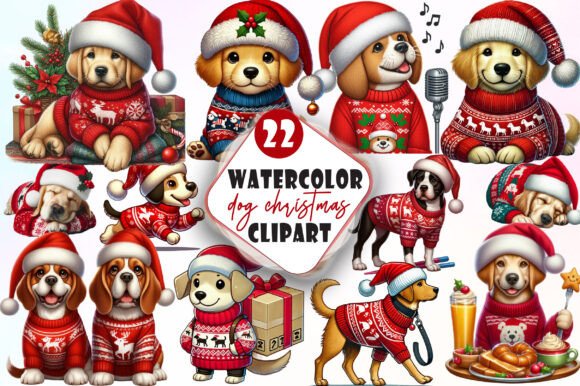
As a brand designer and content marketer, I spend most of my days dissecting why certain visuals stop the scroll while others fade into the background. We often talk about typography, color theory, and layout grids, but we sometimes overlook the power of specific illustration styles to anchor a campaign’s emotional tone. Recently, I evaluated a set of festive assets titled Dog Christmas Clipart for a potential seasonal campaign. My goal was to determine if this graphic design asset could seamlessly integrate into a cohesive brand identity or if it would feel like a disjointed element in a professional workflow.
The holiday season is a high-stakes environment for content marketing. Audiences are bombarded with noise, and brands need to cut through that clutter with clarity and warmth. This review explores how Dog Christmas Clipart performs not just as a decorative element, but as a strategic tool for small business branding, social media engagement, and visual storytelling.
First Impressions: Mood and Emotional Resonance
When you first look at Dog Christmas Clipart, the immediate takeaway is its approachability. Unlike stark, minimalist vector art that can feel cold or corporate, these illustrations carry a sense of whimsy and heart. They evoke the cozy, nostalgic feelings associated with winter holidays—think warm firesides, family gatherings, and playful pets. For lifestyle brands, pet-focused businesses, or handmade product creators, this mood is invaluable.
The visual tone strikes a balance between polished and playful. It avoids looking overly childish, which makes it suitable for premium visuals rather than just casual blog posts. The lines are clean, and the composition suggests a modern design sensibility. This means the asset can support professional branding without sacrificing the festive charm that drives holiday sales. It creates an instant emotional connection, signaling to the audience that the brand is friendly, accessible, and aware of current trends in pet culture.
Strategic Applications in Marketing Workflows
In my experience, a great design asset must be versatile. I tested Dog Christmas Clipart across various touchpoints to see how it holds up in real-world scenarios. Here is how it performed:
- Social Media Graphics: These illustrations are perfect for Instagram posts and Facebook ads. Their distinct shapes allow them to stand out against busy backgrounds. When used as the focal point of a carousel post or a story highlight, they draw the eye immediately, supporting better engagement rates.
- Packaging Design: For small business owners selling candles, baked goods, or gifts, these cliparts can serve as accents on tags, stickers, or wrapping paper. They add a personal touch that mass-produced items lack, enhancing the unboxing experience.
- Email Banners: In email banners, space is premium. Using Dog Christmas Clipart as a header element can break up text blocks and add visual interest without overwhelming the call-to-action button.
- Pinterest Pins: Pinterest is a visual search engine. High-quality, thematic illustrations perform well here. These dog-themed designs align perfectly with popular holiday DIY, pet care, and gift guide pins, helping to drive traffic back to your website.
- Canva Templates: If you create templates for clients or sell digital products, incorporating these cliparts adds value. They can be easily dragged and dropped into Canva template layouts, allowing users to customize their own holiday cards or flyers quickly.
Supporting Core Marketing Goals
Beyond aesthetics, how does this asset support broader marketing objectives? First, it aids in visual hierarchy. By placing a recognizable, cute image of a dog in holiday attire, you guide the viewer’s attention before they even read the headline. This leads to a stronger first impression.
Second, it builds audience trust. Consistency in style matters. If your brand uses similar illustrative elements throughout the year, introducing a high-quality festive version maintains continuity. It shows that you care about details, which translates to perceived quality in your products or services. Finally, it fosters an emotional connection. Dogs are universally loved; using them in marketing materials taps into positive sentiment, making your brand feel more relatable and human.
Ideal Use Cases and Creative Opportunities
While Dog Christmas Clipart is versatile, it shines brightest in specific contexts. It works exceptionally well as a hero graphic for landing pages promoting holiday sales. It also serves as a strong decorative element in editorial layouts for blogs or magazines covering pet-friendly holiday tips.
Consider a scenario where a local pet groomer wants to promote a "Paw-trait" special during December. Using these cliparts in their digital ads and printed flyers creates a unified theme. Similarly, a digital seller offering a design bundle of holiday stationery would find these assets to be key components that increase the perceived value of the product. They are ideal for printable design projects, such as coloring pages or greeting cards, which remain popular downloads during the holiday season.
Where to Exercise Caution
No single asset fits every brand voice. There are situations where Dog Christmas Clipart might not be the right choice. For formal corporate branding in industries like finance or legal services, these illustrations may appear too informal. Additionally, in dense information layouts where data visualization is key, these decorative elements could distract from the core message.
Be mindful of scale. While these assets work well in large formats, testing them in small mobile graphics is crucial. Ensure that the details do not get lost when scaled down. Also, avoid placing them on low-contrast backgrounds where they might blend in, defeating their purpose as attention-grabbers. If your brand relies heavily on text-heavy ads, ensure the illustration complements rather than competes with the copy.
Practical Brand Designer Notes
To get the most out of this creative design resource, I recommend following a few practical steps before implementation:
- Test Color Palettes: Place the clipart over your brand’s primary and secondary colors. Does it harmonize? You may need to adjust the hue or saturation slightly to match your existing modern design aesthetic.
- Check Black and White Usage: Preview the asset in grayscale. This helps determine if the shape and form hold up without relying on color, which is useful for print-on-demand services or faxed documents.
- Font Pairing: Experiment with different typefaces. These illustrations pair beautifully with script font styles for a handwritten, personal feel, or sans serif font options for a clean, contemporary look. Avoid pairing them with overly ornate display font styles that might clash with the whimsical nature of the dogs.
- Mockup Testing: Always place the asset inside real campaign mockups. See how it looks on a phone screen versus a desktop monitor. This reveals spacing issues and ensures readability in small sizes.
- Commercial Licensing: Before using any SVG design or PNG design in paid campaigns or client work, confirm the commercial license. This protects your business from legal issues and ensures you have the right to monetize the content.
In conclusion, Dog Christmas Clipart is more than just a cute image; it is a strategic marketing visual that can elevate your holiday campaigns. By understanding its strengths, limitations, and best practices for integration, you can use it to create memorable, trustworthy, and engaging brand experiences. Whether you are refreshing your web design or launching a new product label, this asset offers a charming way to connect with your audience during the most wonderful time of the year.