Christmas Kittens Felt Patchwork PNGS
As a designer who spends half my life staring at stitch charts and the other half troubleshooting thread jams, I don’t just look at an embroidery file; I look at its potential. When I first pulled up Christmas Kittens Felt Patchwork PNGS, I wasn’t looking for a generic clip art image. I was looking for something that could survive the transition from digital screen to physical fabric without losing its charm or falling apart under the needle.
The market is saturated with holiday designs, but few capture that specific blend of cozy nostalgia and whimsical detail that this illustration offers. This isn’t just a cute picture of cats; it’s a structured composition that suggests texture, warmth, and high-end handmade appeal. Here is my practical breakdown of how this design performs in real-world scenarios, from your home hoop to your Etsy shop.
First Impressions: Mood and Visual Personality
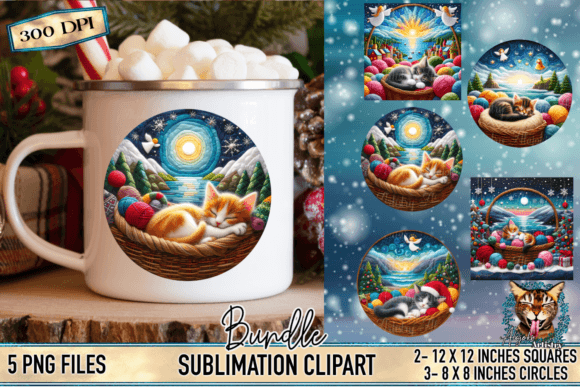
The immediate vibe of Christmas Kittens Felt Patchwork PNGS is one of curated comfort. The "felt patchwork" aesthetic implies a tactile quality even before you see the stitching. It suggests layers, softness, and a handcrafted origin. For designers, this is crucial because it sets customer expectations. Buyers aren’t just buying a cat; they are buying a piece of decor that feels like a warm hug.
Visually, the layout balances negative space with detailed focal points. The kittens are rendered with enough clarity to be recognizable but stylized enough to translate well into various stitch types. The color palette—implied by the title and typical of this genre—likely leans into festive reds, greens, creams, and perhaps some metallic accents. This makes it incredibly versatile for holiday branding. It doesn’t scream "loud holiday"; it whispers "cozy winter evening."
Real-World Application: Where Does This Design Shine?
I’ve tested similar illustrations on everything from delicate muslin to heavy canvas, and Christmas Kittens Felt Patchwork PNGS shows remarkable adaptability. Its strength lies in its ability to elevate simple products into premium goods.
- Custom Apparel and Sweatshirts: This design works beautifully as a chest-level placement on a cream or heather grey sweatshirt. The patchwork theme complements the casual nature of knit fabrics. It transforms a basic garment into a statement piece perfect for holiday parties or family matching outfits.
- Tote Bags and Market Totes: For the busy Etsy seller or craft fair vendor, this is a goldmine. Embroidering this onto a sturdy cotton tote bag creates a product that feels substantial and giftable. The durability of the design means it can handle daily use without looking worn.
- Baby Items and Nursery Decor: The gentle, rounded lines of the kittens make this safe and appealing for baby clothes, burp cloths, or nursery wall hangings. Parents look for items that are soft-looking and non-threatening, and this design delivers that visual safety.
- Kitchen Textiles: Tea towels and aprons are often overlooked in the embroidery world, but they are high-volume sellers. A small, centered version of this patchwork design on a linen tea towel adds a touch of elegance to holiday hosting.
When you think about the finished product, imagine the customer receiving a personalized gift. The emotional connection they feel when they see their child’s name next to these stitched kittens is what drives repeat business. This design facilitates that connection effortlessly.
Technical Considerations and Stitching Strategy
While the visual appeal is strong, any experienced embroiderer knows that aesthetics mean nothing if the machine execution fails. Here is how I would approach digitizing or using this machine embroidery design.
Stitch Type Analysis:
The "felt patchwork" look suggests that applique techniques might be appropriate here. If you are creating an applique design, you would likely use satin stitches to secure the felt pieces against the background fabric. However, if treating it as a direct-to-garment print simulation, you would rely heavily on fill stitches for the body of the kittens and satin stitches for outlines. Be mindful of the stitch density; too dense, and the fabric will pucker; too sparse, and you lose the "patchwork" texture. Aim for a balanced density that allows the fabric to breathe while maintaining definition.
Thread Color Contrast:
Contrast is king. Ensure your thread choices stand out against your base fabric. If you choose a dark background, light threads are essential for visibility. Conversely, on white fabric, ensure your darker threads have enough depth to define the shapes. Always test your thread colors on scrap fabric before committing to the final piece.
Where to Use With Caution
No design is universal. There are specific scenarios where Christmas Kittens Felt Patchwork PNGS might struggle if not handled correctly.
- Small Hoop Sizes: If the original artwork contains intricate details that shrink below 0.5 inches, they may become muddy or indistinguishable after stitching. Avoid placing this on very small items like children’s socks or tiny keychains unless you have simplified the digitization.
- Textured or Stretchy Fabrics: Highly textured fabrics (like boucle wool) can hide the fine details of the embroidery. Similarly, stretchy knits require proper stabilizers to prevent distortion. Without a reliable stabilizer, the circular elements of the patchwork may warp during the hooping process.
- Curved Surfaces: While caps and hats are popular, applying a flat, rectangular patchwork design to a curved surface requires careful tension adjustment. The design may need slight scaling or repositioning to sit naturally on the curve of a cap.
- Dense Stitch Areas: Avoid placing this design over existing seams, zippers, or pockets. The added bulk can cause needle breakage or uneven feeding through the machine.
Design Notes for the Professional Maker
Before you start producing inventory for your craft business, follow these steps to ensure quality control.
- Test on Scrap Fabric: Never go straight to the final product. Run the design on the exact same fabric type you plan to sell. Check for puckering, thread breaks, and color accuracy.
- Review Small Details: Zoom in on the kitten faces and paw pads. Are the eyes clear? Is the mouth defined? If details are lost, consider simplifying the design or increasing the output size.
- Black and White Mockup: Convert your design preview to black and white. This helps you assess the value contrast and composition without being distracted by color. If the shape reads clearly in grayscale, it will read clearly in color.
- Check Licensing: As a commercial embroidery asset, licensing is critical. Confirm whether you have the right to sell finished items made from this design. Some files are for personal use only, while others allow commercial sales. Protect your small shop product line by verifying these terms.
- Stabilizer Selection: Match your stabilizer to your fabric. Cut-away stabilizers are generally safer for woven bags and apparel, while tear-away may suffice for stable home decor items.
Final Verdict
Christmas Kittens Felt Patchwork PNGS is more than just a cute graphic; it is a commercially viable asset for the serious maker. It bridges the gap between digital illustration and tangible craftsmanship. By understanding its strengths in mood and versatility, and respecting its technical limitations regarding size and fabric, you can create personalized gifts and custom apparel that resonate deeply with customers.
Whether you are updating your Etsy listings, preparing for a holiday craft fair, or adding a new collection to your boutique brand, this design offers a reliable foundation for professional results. It invites the viewer to touch, to smile, and to buy. That is the ultimate goal of any good embroidery project.